Topics
What is my mindset?
Am I in the gap or the gain?
What am I becoming?
“What do you like about pornography?”
When I ask clients this question, I often get a confused look. Sometimes there is silence. Sometimes a nervous laugh. Frequently, I get a defensive response: “What do you mean? I don't like it. That's why I'm here!”
I understand the reaction. Most people who come to see me about pornography expect a very different conversation. They expect me to express concern and possibly even disdain regarding their habit. They may anticipate that I ask how often they use pornography, how long they have been struggling, what triggers them, and how they can finally stop.
I often ask these questions, but I also ask what they like about it.
I'm not asking because I think pornography is good for them. I'm asking because I want to interrupt the way they have been thinking about their problem.
When I ask what they like about pornography, I’m really trying to understand what they are reaching for through the behavior. What needs, desires, goals, or values have become connected to the behavior? What is the person hoping to experience or accomplish? Understanding this helps us move beyond simply trying to eliminate the behavior and begin considering how those same goals and values might be pursued in ways that are more effective and more consistent with the person they want to become. In other words, the question helps shift the focus from what they want to get rid of to what they want to grow toward.
From “What's Wrong with Me?” to “What Am I Trying to Change?”
When we are frustrated with ourselves, it is easy to become focused on the problem.
I shouldn't be doing this.
Why can't I control myself?
What's wrong with me?
I've got to get rid of this.
This way of thinking can trap us in a “fix-it” mindset. We often become preoccupied with eliminating something we don't want, measuring ourselves by how far we are from our goal. The more attention we give to the distance between where we are and where we think we should be, the easier it becomes to feel shame, frustration, and hopelessness.
But what if we approached change differently?
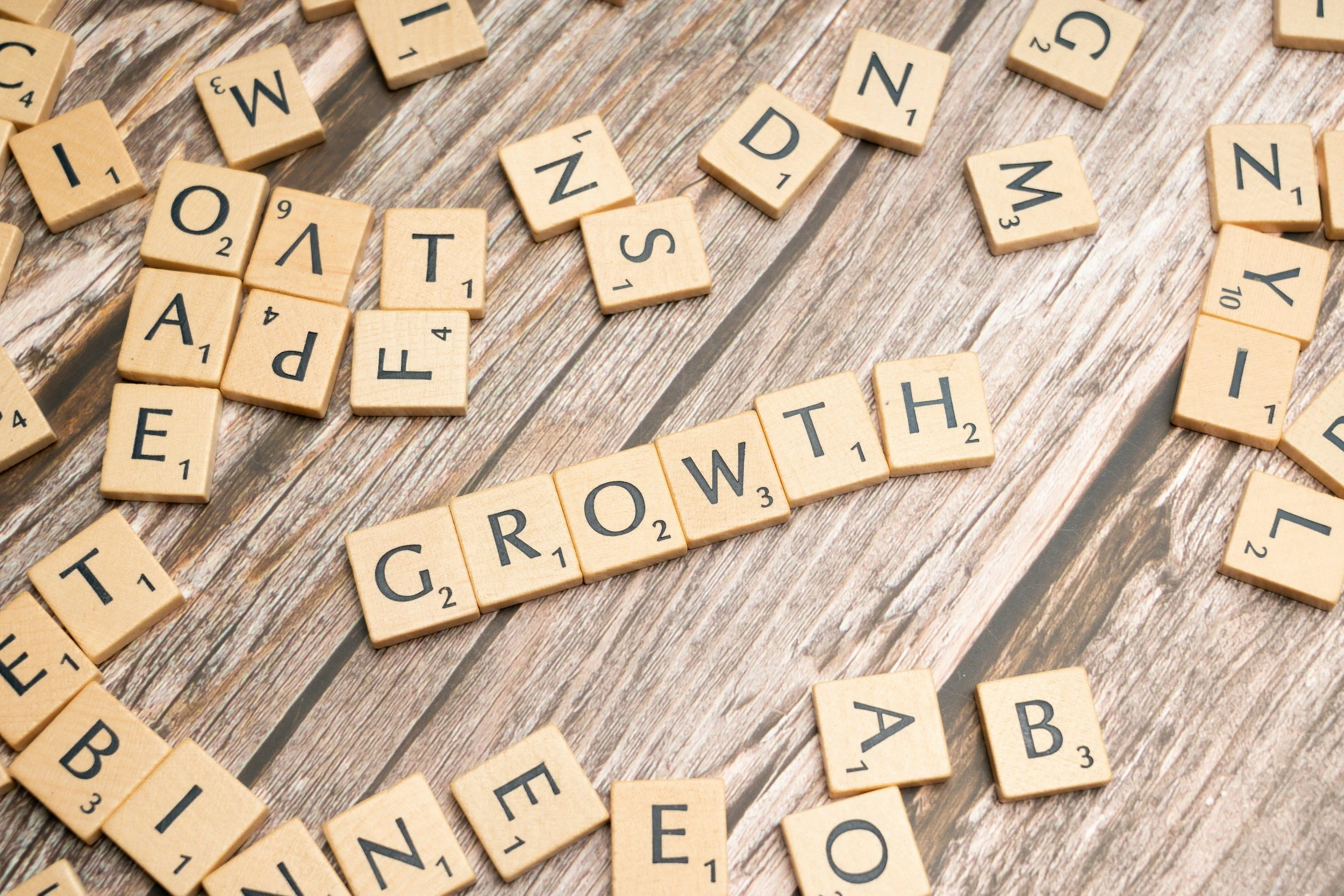
Instead of asking only, “What do I want to stop?” we could begin asking, “Where do I want to grow?”
That is a very different question.
Fixed Mindset or Growth Mindset?
Psychologist Carol Dweck's work on fixed and growth mindsets offers a helpful way of understanding this shift. A fixed mindset tends to view abilities and characteristics as relatively unchangeable. When applied to pornography, this might sound like, “This is just who I am,” “I'll always struggle with this,” or “I have no self-control.”
A growth mindset approaches challenges with the belief that we can learn, develop, and change. Instead of seeing a struggle as evidence of who we are, we can begin to see it as an opportunity to learn something about ourselves and develop new ways of responding.
The questions begin to change:
“What can I learn from this?”
“How can I respond differently next time?”
“What am I developing through this process?”
“Who am I becoming?”
This doesn't mean pretending that pornography use isn't a problem or simply thinking positively about something that is causing harm. A growth mindset is not about ignoring the problem. It is about approaching the problem with the belief that we can learn from it and develop new ways of responding. Change is not just possible; it is something we actively participate in creating.
Are You Living in the Gap or the Gain?
Dan Sullivan and Benjamin Hardy describe a similar shift in their book The Gap and the Gain. They describe the Gap as the distance between where we are and an ideal we have not yet reached. The Gain is the progress we can see when we compare where we are today with where we started.
Consider someone who has gone two weeks without pornography.
In the Gap, they might think:
“Two weeks isn't very long. I should be able to go much longer. I'm still having urges.”
In the Gain, they might notice:
“Two weeks ago I couldn't go a day without using. I've learned to recognize some of my patterns, and I'm beginning to discover that I can make different choices.”
The circumstances haven't changed - The lens has changed.
When we focus primarily on the Gap, even significant progress can feel like failure because there is always more distance between where we are and where we think we should be. When we focus on the Gain, we become better able to recognize what we are learning and how we are changing.
This doesn't mean ignoring setbacks. It means not allowing a setback to erase the progress that came before it.
What Are You Growing Toward?
This shift is particularly important when we are trying to change a behavior that has become a source of shame.
If our entire goal is to stop doing something, we can easily define ourselves by the thing we are trying to stop. Every temptation becomes a test. Every setback becomes evidence that we haven't changed. Even progress can become frustrating because our attention remains fixed on the problem and how far we still have to reach our goal.
Growth asks a different question:
What am I becoming?
The goal may still include changing or stopping pornography use. But instead of making the absence of pornography the entire measure of success, we can begin to pay attention to the person we are becoming through the process of change.
Am I becoming more aware? More intentional? More capable of making choices when things are difficult? Am I learning to respond differently when I experience an urge or setback?
These questions don't excuse the behavior or make the problem disappear. They simply shift our attention from fixing ourselves to developing ourselves.
I suppose rather than “What do you like about pornography?” I could ask, “What need or opportunity for growth is your pornography habit covering?” Which could be more informative, but less fun. Overall, focusing on growth and gain is an invitation to step outside of the shame-filled question, “What's wrong with me?”, and become curious about the process of change.
Change doesn't begin when we finally become disgusted enough with ourselves.
Often, it begins when we become curious enough about who we could become.
Instead of asking only, “How do I fix this?”
Try asking, “How can I grow from here?”
Questions for Reflection
Consider spending some time journaling about the following questions. There are no right or wrong answers.
When I think about my pornography use, do I tend to focus more on what is wrong with me or on what I am learning and how I am growing? Are both voices present? If so, which is stronger?
What does my inner dialogue sound like when I struggle with urges or unwanted behaviors? Is it primarily critical and discouraging, or does it leave room for curiosity and learning?
Where am I currently living in “the Gap”? What am I measuring myself against that may be causing me to overlook progress I have already made?
What “Gains” can I recognize in my journey? Consider changes in awareness, choices, skills, relationships, or the way you respond to difficult moments—not just changes in pornography use.
If I shifted my focus from what I want to eliminate to how I want to grow, what might change about the way I approach this struggle? What would I need to let go of to change to this focus?
Further Study
Mindset: The New Psychology of Success by Carol S. Dweck explores the research behind fixed and growth mindsets and how our beliefs about our capacity to develop can influence how we approach challenges and learning.
The Gap and the Gain by Dan Sullivan and Benjamin Hardy explores the difference between measuring ourselves against an ideal we have not yet reached and recognizing the progress we have made compared with where we began.